


 View Cart
1 min read
Author Q&A: Lauren Peterson
Come hang out with one of our AP® Language and Composition coursebook by AMSCO® authors, Lauren Peterson! Lauren emphasizes that her role as a...

1 min read

This resource is designed to provide a guided lesson on close reading, specifically imagery, figurative language, word choice, tone, and tonal shift and how these elements can enhance our understanding of a work.
Using the anchor text, Pilgrim at Tinker Creek by Annie Dillard, students will work to understand the relationship between concrete and abstract, text complexity, tonal shift, and how to evaluate writer’s choices within a narrative text. If you are teaching thematically, this short text would pair well with themes like identity, maturation/growth/coming of age, and nature.
Interested in buying any of the books mentioned in this post? Visit our classroom libraries page.
Enjoy!

Lauren Peterson (Master of Arts, Education) has been teaching AP® English Language and Composition in a number of states for more than ten years, most recently at Highlands High School in Fort Thomas, Kentucky, where she is also the schoolwide literacy leader. Before this position, Lauren served as a curriculum and instructional coach in Duval County, Florida. Lauren worked for College Board on a pilot curriculum designed to both remediate common AP® English Language challenges and also prepare students for Microsoft Office Specialist Certification. As an independent consultant for the National Math and Science Initiative, Lauren has written diverse curricula used by students across the country as well as training materials for beginning and experienced AP® English Language teachers. Lauren served as an AP® English Language Reader and continues to work as an AP® English Language trainer for new and experienced teachers.
1 min read
Come hang out with one of our AP® Language and Composition coursebook by AMSCO® authors, Lauren Peterson! Lauren emphasizes that her role as a...
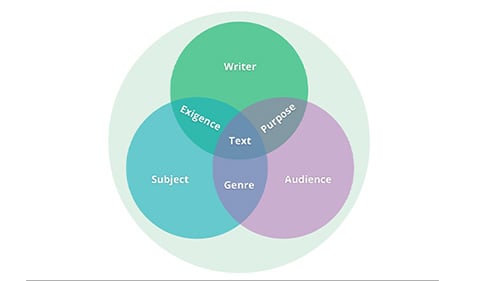
1 min read
In this activity, students will read and reflect on the different types of writing they might encounter on the AP® Language & Composition Exam....

1 min read
In this lesson, students will choose pages from a scene from an assigned novel (this can be done with a shorter text, too). Students will start by...

1 min read
One of the benefits and challenges of the AP® Language course is that the skills need to be understood both as a reader and a writer; and, often when...

1 min read
In this lesson, students will learn how to break down AP exam questions for Language (rhetorical analysis). Through guided analysis, collaborative...
1 min read
This resource is designed to provide structure, guidance, and inspiration for students to complete a series of dialectical journal entries based on...

1 min read
One of the most important skills students can develop is making a claim and supporting it with evidence. Too often, students believe research is...
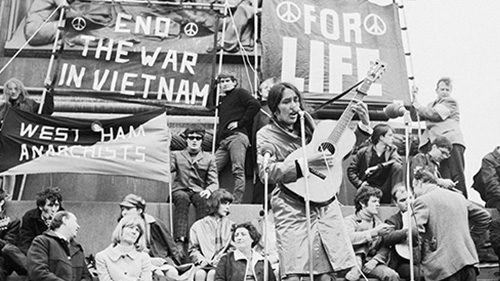
1 min read
This lesson is designed to be a supplement for fiction or nonfiction anchor texts used in the classroom. This lesson would be appropriate for any...

1 min read
Students often rely on summaries as a shortcut to understand literature. While summaries help review the plot, they flatten storytelling into a list...

1 min read
There is no shortage of professional development on teaching educators how to write questions. We add them to our lesson plans, we spin manual or...

1 min read
In this creative and reflective assignment, you’ll explore the art of powerful storytelling through just six words. You’ll examine examples of 6-word...

1 min read
As artificial intelligence becomes increasingly accessible, many teachers are asking the same question: How do we teach students to think for...