


 View Cart
Censorship, Self-Censorship, and the AP® Literature Classroom

Think about the last time you decided not to teach a particular book.

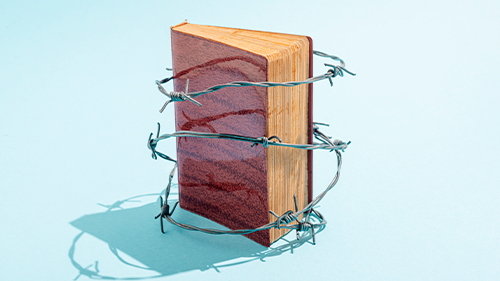
Think about the last time you decided not to teach a particular book.

Dr. David Jolliffe walked through the origins of his widely shared rhetorical framework, how he teaches it today, and why every rhetorical analysis...
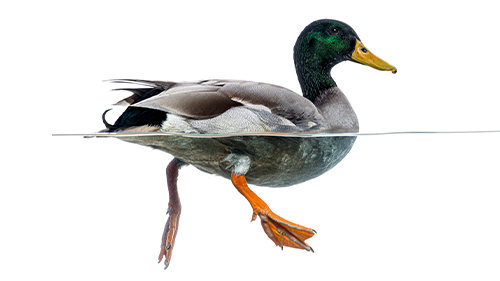
I’ve chosen a tired metaphor for this, but it really does work (and is less ominous than the first one that came to mind: icebergs). Picture a duck...

Organization and clear communication are essential features of any classroom—really, any functional relationship. Staying on track, pacing a course,...

Students often rely on summaries as a shortcut to understand literature. While summaries help review the plot, they flatten storytelling into a list...

There is no shortage of professional development on teaching educators how to write questions. We add them to our lesson plans, we spin manual or...

The first weeks of an AP English course carry more weight than the calendar suggests. Some students walk in certain they belong. Others were talked...

As artificial intelligence becomes increasingly accessible, many teachers are asking the same question: How do we teach students to think for...

I never expected my application to be accepted. I was in the middle of my first year teaching AP Literature, and, at least in my mind, I am the...

What does a broken muffler, a kite, & a capricious falcon have in common? According to the 2026 AP Language & Composition cohort, they are all...