


 View Cart
1 min read
Rubrics for Assessing Writing in the Middle School Classroom
Laura Kebart (English Language Arts Teachers) shares strategies for 6-8 ELA teachers for creating rubrics that center student improvement. {%...

3 min read

In high school, many students spent their summer working, babysitting younger siblings, or playing video games. Others were at the pool, had their quinceañera, or took a vacation. Whatever they experienced, asking students to write an essay about it is usually met with groans and eye rolls. Boring!
I understand why teachers fall back on this prompt. Personal essays are easy for students to jump into because the structure relies on stream of consciousness and students can use the pronoun “I."

Students should be writing the first week of school in some way. It reactivates the brain into thinking critically, organizing thoughts, and getting ideas down on paper. But we can challenge them beyond "what I did this summer."
First, I suggest having students choose the type of writing they want to dive into. It’ll all be based on personal opinion, but not in journal format. Think: persuasive writing, argumentative writing, news writing, and improv writing tasks.
A mini-lesson can be taught briefly to introduce the different types of writing and then show the students the prompt that matches each one. That way, students get a choice of which type of writing they want to try.
What is one class you think all students should take before graduating from high school that will prepare you for the future most?
Write a one-page proposal, pitching your class to the administration of your school. Make sure to include what the class is called, the type of work it requires, why it’s important, and any other details you think will persuade administrators to make this class a requirement for graduation.
What is an unpopular opinion you have that others would likely not agree with? (Example: pineapple on pizza, socks with sandals, making the bed is a pointless chore, etc.)
Write a one-page argumentative essay explaining why your opinion is right and why everyone else in the world is wrong. Include details, examples, or facts that back up your opinion to argue your opinion is right.
Imagine you’re a news reporter for your local news station and you’re writing your segment for tonight’s 5 o'clock news. Choose one of these fictional breaking news headlines and complete the story.
Prepare your news reporter voice and interview made-up sources to complete this one-page news reporting task.
Breaking News Headlines:
This is more like a challenge than a prompt because students will draw cards with the tone of voice and persona they’ll write as. The prompt is generally “Predict the Future: What will happen this year at [your] high school?” This can be outlandish, serious, humorous, etc. It’s supposed to be fictional and exaggerated, taking on the persona and tone of their drawn cards.
Tones of Voice: serious, humorous, sarcastic, hyper, sad, angry, sleepy.
Personas: president, cheerleader, parent, your teacher, army sergeant, kindergartener, lawyer, coach, Mickey Mouse, viral TikToker, salesperson, etc.
These prompts and various ways of writing should keep students engaged in their writing in the first week of school more than a journal entry about their summer. There’s choice, there’s variety, but they all have to be the same length so there’s no “this is the shortest prompt so I’ll do that one”-type of response. These prompts should also allow you to assess talented writers and those who might need extra support in your classroom.
Jennifer Epping is an ELA and journalism teacher of 14 years who lives in Des Moines, Iowa. She has bachelor’s degrees in journalism and mass communication and English Education from Iowa State University, and a professional certificate in book and magazine publishing from New York University. She spent some time in book publishing in New York and found her passion in the classroom helping students find their voices. She loves spending time with her wife, Amanda, and their one-year-old son, Elliott, while also diving into as many books as possible.

1 min read
Laura Kebart (English Language Arts Teachers) shares strategies for 6-8 ELA teachers for creating rubrics that center student improvement. {%...
.jpg)
1 min read
While most early literacy development occurs in elementary school, teachers in middle and high schools continue shaping students' reading abilities,...

1 min read
We’ve heard of Project-Based Learning (PBLs), which allows students to mostly have independent leadership through a task or project and creative...

1 min read
What do a wooden spoon, neon vest, ball of yarn, and rubber duck have in common? In my classroom, they become tools students use to solve real-world...

1 min read
This webinar with Dr. Brandon Abdon, author of our AP Language and Composition and AP Literature and Composition AMSCO coursebooks, and guest ELA...
1 min read
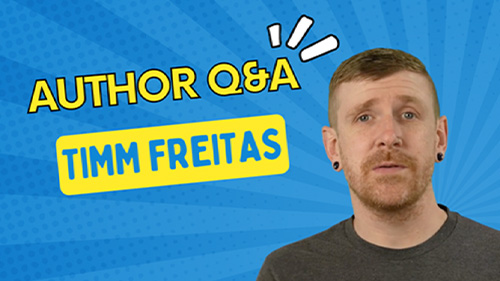
Want to learn more about author and Garden of English creator Timm Freitas? Tune into our new Author Q&A series! Learn who inspired to become a...
1 min read
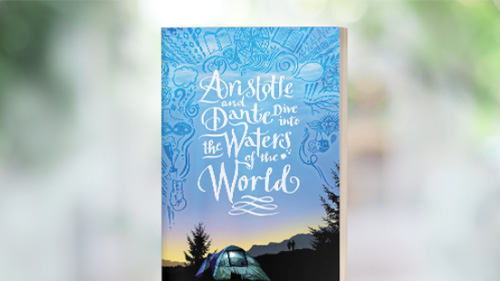
For most of the past year and half, I have spent most of my waking hours querying or obsessing over querying literary agents for my young adult novel

1 min read
Laura Kebart will help you connect novel studies to cross-curricular goals, enhancing engagement without sacrificing core skills. Watch the webinar...

1 min read
If you’ve ever waited longer than you thought humanly possible for a complete sentence to appear during a writing assignment (only to discover...

1 min read
Every ELA teacher knows how to do this, right? Not exactly. This webinar invites all ELA teachers for an in-depth examination of the art of close...

1 min read
The goals of ELA instruction in middle and high school range from developing basic reading comprehension and writing skills to reading and writing...

1 min read
There is no shortage of professional development on teaching educators how to write questions. We add them to our lesson plans, we spin manual or...