


 View Cart
1 min read

3 min read

Assessments are only as powerful as what we do with the results.
Across classrooms, educators administer diagnostics with the best intentions—to identify gaps, personalize instruction, and support student growth. However, too often, those scores reside in spreadsheets or reports that seem disconnected from the daily realities of teaching. The challenge isn’t collecting data; it’s translating that data into meaningful, manageable action.

That’s where Measuring Up® comes in. Designed to mirror state assessments while providing actionable insights, Measuring Up helps educators move beyond scores and toward instructional clarity. With the right routines in place, diagnostic results can become the foundation for daily instruction—not an extra task on an already full plate.
Step 1: Look for Patterns, Not Just Percentages
After administering a Measuring Up diagnostic, it’s tempting to focus on overall scores or proficiency bands. While these provide a helpful snapshot, the real instructional value lies deeper.
Instead of asking, “How did my students score?” try asking:
-
Which standards show the greatest need across the class?
-
Are there shared misconceptions among groups of students?
-
Where are students close to mastery but not quite there yet?
Measuring Up reports make it easy to identify trends by standard and skill. These patterns help educators prioritize instruction, ensuring time is spent where it will have the greatest impact.
Routine tip: Dedicate a short block of time after each diagnostic—individually or with a team—to highlight two or three priority standards rather than trying to address everything at once.
Step 2: Group Students with Purpose
Once patterns emerge, the next step is grouping students intentionally. Flexible grouping allows educators to target instruction without labeling or limiting students.
Using Measuring Up diagnostic data, teachers can:
-
Create small groups focused on a specific skill or standard
-
Provide targeted practice for students who need reinforcement
-
Offer extension or enrichment for students ready to move ahead
Because Measuring Up aligns closely with state standards, these groups directly support grade-level expectations rather than isolated skills.
Routine tip: Keep groups fluid. Revisit data frequently and adjust groups as students demonstrate growth or mastery.
Step 3: Align Daily Practice to Identified Needs
Diagnostics shouldn’t sit apart from instruction—they should shape it.
Measuring Up practice resources are designed to connect assessment results to instruction, making it easier to reinforce priority standards during:
-
Warm-up activities
-
Learning stations or centers
-
Small-group instruction
-
Independent or homework practice
By embedding targeted practice into existing structures, educators avoid the need to “add more” to the day. Instead, instruction becomes more focused and intentional.
Routine tip: Choose one standard per week to spotlight across multiple activities. Repetition in different formats builds confidence and understanding.
Step 4: Make Data Conversations Part of the Culture
Data is most powerful when it’s shared.
Whether through grade-level meetings, PLCs, or informal check-ins, discussing Measuring Up results helps educators:
-
Share instructional strategies that are working
-
Identify common challenges across classrooms
-
Align expectations and pacing
These conversations shift data from an individual responsibility to a collaborative effort focused on student success.
Routine tip: Frame discussions around questions like, “What does this data tell us students need next?” rather than “Why didn’t they perform better?”
Step 5: Help Students Own Their Growth
Students are more motivated when they understand their progress and goals.
Measuring Up diagnostics can be used to:
-
Show students which skills they’ve mastered
-
Identify areas for growth in student-friendly language
-
Set short-term, achievable learning goals
When students see assessments as tools for improvement rather than judgment, they’re more likely to engage in targeted practice and reflect on their learning.
Routine tip: Share one clear goal with students after each diagnostic and revisit it during instruction and practice.
Step 6: Monitor Progress and Adjust Instruction
Turning scores into action is an ongoing process, not a one-time event.
Regular use of Measuring Up practice assessments allows educators to:
-
Check for understanding
-
Monitor progress toward mastery
-
Adjust instruction before high-stakes testing
This continuous feedback loop ensures instruction remains responsive and aligned to student needs.
Routine tip: Use shorter assessments or focused practice checks to measure growth on priority standards rather than waiting for the next full diagnostic.
From Assessment to Impact
When diagnostic data is intentionally connected to daily routines, it becomes a powerful driver of instruction. Measuring Up supports educators at every step—from identifying needs to delivering targeted practice and monitoring progress.
By shifting the focus from scores to next steps, educators can transform assessment results into meaningful learning experiences that support every student’s success.
With Measuring Up, data doesn’t sit on the sidelines—it leads the way.
Related blog posts

1 min read
Preventing the Winter Slide: Skills to Refresh Before Break
Preventing the “winter slide” starts with keeping key skills fresh and giving students purposeful, bite-sized practice before they head out for...

1 min read
Measuring Up: From Winter Data to Spring Growth Plans
As winter benchmarking wraps up, teachers face the question: now what? The data is in, but turning numbers into meaningful spring growth plans is...
1 min read
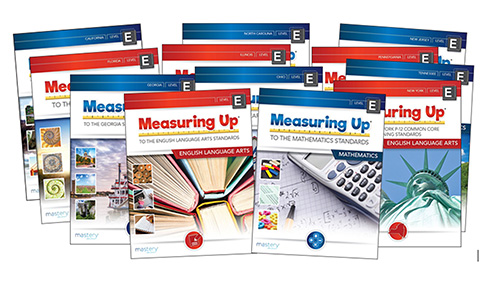
Measuring Up Workbooks are Written to Your State Standards
A key challenge for educators is finding a way to customize and differentiate learning for each student in their classrooms. Teachers need tailored...

1 min read
Celebrating Growth: Meaningful Ways To Reflect On Student Progress
Establishing a culture of reflection starts with intentional classroom routines that encourage students to consider their learning journey. By...

1 min read
Finish Strong: Short, High Impact Review Routines for December
December is a unique month in the classroom. Energy is high, schedules are unpredictable, and instructional time can feel fragmented. But it’s also...

1 min read
Building Test Confidence, Not Test Anxiety
Every educator knows the look: a student who has put in the work, suddenly shutting down the moment a test appears. High-stakes assessments can...

1 min read
Have You Seen Measuring Up Live Lately?
Taking high-stakes assessments can be a stressful experience for students. But the right practice tools can help alleviate the pressure and even make...

1 min read
Teaching Test Prep Organically: Building Confidence and Capacity for State Assessments
Every spring, standardized testing can feel like a looming mountain for both students and teachers. The challenge is real: how do we prepare students...

1 min read
NDP Center Evaluation of Meausring Up
National Dropout Prevention Center’s evaluation of Measuring Up reveals students experienced substantial academic progress

1 min read
Summer Enrichment Activities with Measuring Up
Having a comprehensive and well-designed curriculum at your fingertips will go a long way toward creating summer enrichment activities that engage...