View Cart
1 min read
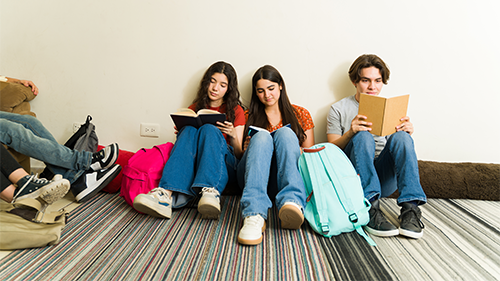
How Schools are Killing the Love of Reading
Ask a teenager how they feel about reading, and you’ll likely get an eye roll, a groan, or a halfhearted, “I don’t like books.”

1 min read
As soon as parents post a photo with their child’s birth announcement, a digital footprint begins. As kids grow up and expand their digital footprints, they have to learn that not everything they post or others post about them online is positive. That’s tough to understand for a teenager whose frontal lobe isn’t developed just yet.
Helping students understand their digital footprint and why it’s important to protect it is a great starting place in ebbing the flow of negative or unwanted information online. It’s a part of our job as teachers to educate students on how this footprint might impact them in the future for jobs, scholarships, college acceptances, etc.

The goal is to help students see their own digital footprint, understand there are positive, neutral and negative implications, and how they can improve their online reputation to benefit them, instead of harm them.
Students will roll their eyes, thinking they know more about technology than we do as teachers, but honestly, they might not know this stuff and by the end, they might just think that we know more than they thought.
So here’s the plan:
This is a starting place on the topic, and the goal is to have students begin to understand their impact on their own futures based on what is out there online about them now. How to be cognizant about what they post or make public in the future is important and how it can affect their future for better or for worse
Jennifer Epping is an ELA and journalism teacher of 14 years who lives in Des Moines, Iowa. She has bachelor’s degrees in journalism and mass communication and English Education from Iowa State University, and a professional certificate in book and magazine publishing from New York University. She spent some time in book publishing in New York and found her passion in the classroom helping students find their voices. She loves spending time with her wife, Amanda, and their one-year-old son, Elliott, while also diving into as many books as possible.
1 min read
Ask a teenager how they feel about reading, and you’ll likely get an eye roll, a groan, or a halfhearted, “I don’t like books.”
1 min read
Juno Dawson is a prominent transgender activist and writer. Known for her fact-driven books, she focuses on topics teens wonder about or need to...
1 min read
The “Greatest Hits” album. All the greats do it—Creedence Clearwater Revival, Tom Petty, Elton John, Madonna, Lynyrd Skynyrd, Mariah Carey—so it only...
1 min read
Way back in the day, we had this thing called Must See TV. And one of the shows you had to “must-see” was Cheers. Set in a bar in Boston, the show...
1 min read
October is spooky month so what better way to embrace the season than books with mutant teenagers, witches, vampires, and more! Michael Guevara...
1 min read
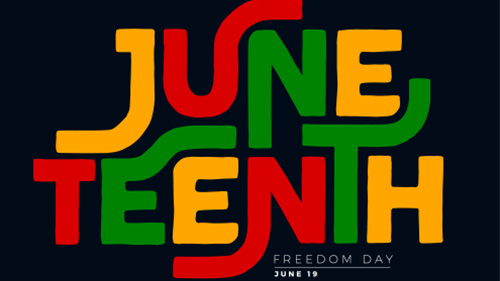
Explore engaging and interactive Juneteenth lesson plans designed for secondary education students to deepen their understanding of this important...
1 min read
As secondary English teachers, we know how important it is for our students to learn to write well. We also know that oftentimes means we have over a...
1 min read
We’ve heard of Project-Based Learning (PBLs), which allows students to mostly have independent leadership through a task or project and creative...
1 min read
Although our middle school ELA students should have been capitalizing words like "I" since they were in early elementary school, many either just...
1 min read
On December 20, four days after his semester finished, my youngest son flew home for Christmas break. On December 29, he flew back—19 days before his...
1 min read
Students often rely on summaries as a shortcut to understand literature. While summaries help review the plot, they flatten storytelling into a list...