


 View Cart
1 min read
Mental Health Awareness: Kind of Sort of Fine
A bright part of every teacher’s day is getting to the class that your star student is in. You know the one. We see them reach for the sky every time...

3 min read

Being a teenager means a lot of things, but starting to date and get into romantic relationships or friendships sticks out as a huge milestone. The thing most teens need is guidance to make a healthy choice when choosing with whom to be friends or more than friends. Many students have seen toxic relationships either personally or in TV shows or movies, but exploring the warning signs in a person you hold dear is rarely taught.
There are many types of toxic relationships and exploring each is a good way to enable students to identify when they or someone they care about might be in that situation. In the book, Are u ok? A Guide to Caring for Your Mental Health by Kati Morton, the author lays out five types of toxic relationships and their warning signs. After this list and explanation, she provides advice for overcoming toxic relationships for good.
On page 120 of Are u ok?, she writes:
A toxic relationship isn’t always as easy to recognize as two ingredients that don’t mix well together. It can feel good at first, sometimes comfortable, and in many cases it may feel like the best relationship we have had in a long time. However, slowly but surely it can feel like every button we have is being pushed, and we don’t even recognize ourselves or how we are acting when we are together. While each unhealthy situation can feel unique to those in it, there are five types of toxic relationships therapists see over and over again. The more we can learn about them, and know what signs to look for, the more easily we can avoid them.
Lesson
Example: This student’s topic was The Green-Eyed Monster - Jealousy.
|
Enmeshment |
The Master Manipulator |
|
Abusive Relationships |
The Black Hole |
Interested in buying any of the books mentioned in this post? Visit our classroom libraries page.
Download this pdf version to easily save or print!

Jennifer Epping is a high school English and journalism teacher in Des Moines, Iowa. She has a passion for reading, writing, and making lame jokes to her students just to see them laugh or roll their eyes. She just concluded her ninth year teaching. Epping graduated from Iowa State University with a BS in journalism and mass communication (2010) and BA in English Education (2013). She attended New York University’s Summer Publishing Institute (2010), and spent some time in children’s book publishing in New York
1 min read
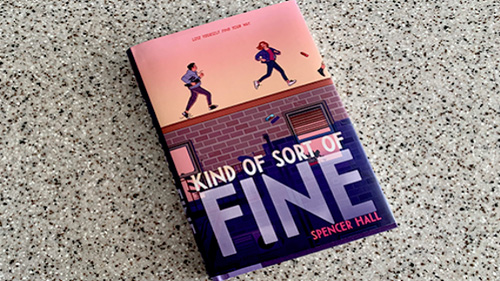
A bright part of every teacher’s day is getting to the class that your star student is in. You know the one. We see them reach for the sky every time...
1 min read
To be mentally healthy requires work, and many youth and their families turn to some kind of therapy, counseling, or inpatient program to aid in that...
1 min read
May is Mental Health Awareness Month. It’s also the last full month of school for traditionally-scheduled districts. I think mental health is the...

1 min read
The words are never right. The time is never perfect. And life keeps piling stress after stress onto the people we love. What do we say to someone...

1 min read
Juno Dawson is a prominent transgender activist and writer. Known for her fact-driven books, she focuses on topics teens wonder about or need to...

1 min read
You know those books that you hug at the end? This is one of those books. All The Bright Places by Jennifer Niven is just plain good—heartbreaking,...

1 min read
Mental health is just as important as our physical health, and many educators understand this. According to the National Institute of Mental Health,...

1 min read
In Yolk, author Mary H.K. Choi portrays a pair of estranged sisters. They’ve grown apart following their childhood in Texas, and now both live in New...

1 min read
It’s not a secret that people compare American schools with other countries’ schools, and Chinese schools are known as some of the strictest in terms...
1 min read
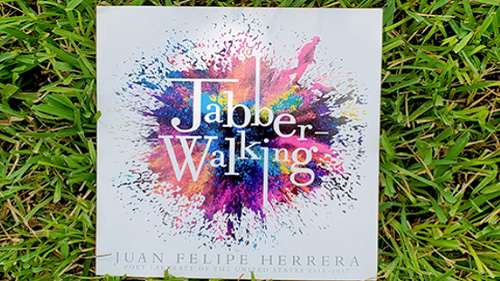
When my mother was going to school in the panhandle of Texas, she and her friends were punished if they spoke Spanish in school. When my brothers and...
1 min read
On December 20, four days after his semester finished, my youngest son flew home for Christmas break. On December 29, he flew back—19 days before his...

1 min read
Back when I was a whippersnapper wearing dungarees and walking to school and back in the snow uphill both ways, nothing beat the school book fair....