


 View Cart
1 min read
New Beginnings: Born a Crime
Born a Crime: Stories from a South African Childhood is a memoir by Trevor Noah about his upbringing in South Africa and how he became a popular...

3 min read
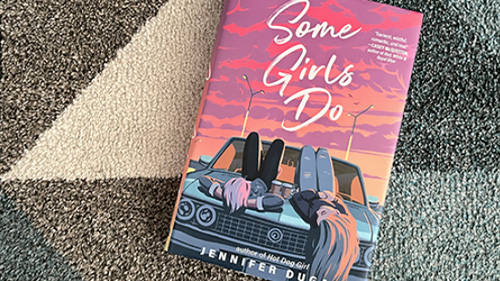
Many students endure the (not-so-fun) ritual of moving schools mid-year. In Some Girls Do by Jennifer Dugan, this is the reality of one of the two main characters, Morgan, as she is forced to transfer schools. Morgan is an elite track star at her Catholic private high school, but is kicked out after she comes out as gay, which is against the school’s policies. Morgan has to start over, fully out at the public school in town, with many bumps along the way getting her back on the track, running in tournaments, and truly being herself.
When Morgan meets Ruby, another girl at her new school, everything changes as they go from not liking each other to becoming each other’s person (secretly). Since Morgan is completely out, she can picture a future she’s excited about and ready for. However, Ruby hasn’t made the decision yet to be out with her sexuality. When they begin dating, Morgan wants them to go public, but Ruby disagrees and is afraid of what the future might hold.
Morgan’s new start is now intricately tied to Ruby and the journey of their relationship. Their relationship shows many realistic conversations and emotions tied to coming out and being confident in yourself.
In one scene, Ruby finds out Morgan told her Pride Club about them as a couple, and gets upset that Morgan outed her without her permission. This teaches a lesson that even though you have started a new beginning, that many aren’t ready to do the same.
“Have you told anyone about us? Anyone? Because Everly is the only person who knew from me, and she swears on her life that she didn’t tell anyone.” Ruby takes a shaky breath. Is she going to cry? “But Everly said she heard stuff on her own and did her best to shoot it down so I wouldn’t freak out. …
“A couple friends, but they wouldn’t… A couple friends from Pride Club. That’s it. And they would never say anything. I promise.”
“Why would you do that? You knew! You knew I…” She’s practically vibrating. With anger? Anxiety? I take a step toward her, intending to wrap her in a hug, but she darts away. “Who did you tell, Morgan?”
Morgan goes on to tell Ruby it was about three others.
“I didn’t tell them about you; I told them about us. It’s not the same thing! It’s not like I outed you or something!”
“Yes, you did!” she says, tears welling up in her eyes. (253–254)
Lesson
In partners, have students make a list about what traits they want in a friendship and a partnership/relationship. A simple T-chart will work fine.
|
Friendship |
Partnership/Relationship |
|
|
Interested in buying any of the books mentioned in this post? Visit our classroom libraries page.
Download the lesson below to easily save or print!

Jennifer Epping is a high school English and journalism teacher in Des Moines, Iowa. She has a passion for reading, writing, and making lame jokes to her students just to see them laugh or roll their eyes. She just concluded her ninth year teaching. Epping graduated from Iowa State University with a BS in journalism and mass communication (2010) and BA in English Education (2013). She attended New York University’s Summer Publishing Institute (2010), and spent some time in children’s book publishing in New York.
1 min read
Born a Crime: Stories from a South African Childhood is a memoir by Trevor Noah about his upbringing in South Africa and how he became a popular...

1 min read
The most beautiful part of January isn’t the snow or the magical lighted displays around town, but instead it’s the chance for a new beginning....
1 min read
Adi Alsaid has released many young adult books since his first title, Let’s Get Lost, but I can promise you, this one blazes through as just as good,...

1 min read
Tokyo Ever After: A Novel by Emiko Jean has been climbing the charts as one of the most popular books right now for young adults. With Netflix’s “The...

1 min read
The words are never right. The time is never perfect. And life keeps piling stress after stress onto the people we love. What do we say to someone...
1 min read
In just the past few weeks, I’ve seen two friends post on social media about their spirit animals. Neither of them is Native American. Recently,...
1 min read
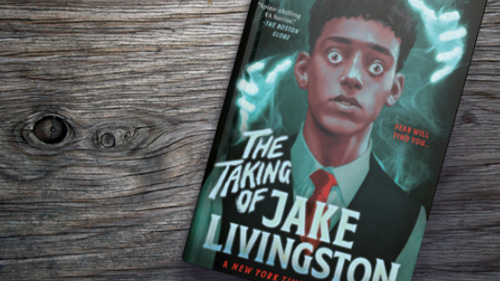
My mother tells this story of being so exhausted that she couldn’t get up to rock my older brother, her first child, back to sleep in the middle of...

1 min read
On the day after state testing, one of my sophomores burst into the room and announced: “Mr. G, I used rule of three on my essay.” It was a proud...
1 min read
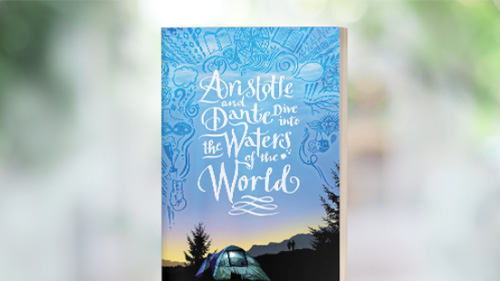
For most of the past year and half, I have spent most of my waking hours querying or obsessing over querying literary agents for my young adult novel

1 min read
Before transitioning away from life as a public school educator, I worked as the academic trainer for English and social studies in a large, urban...
1 min read
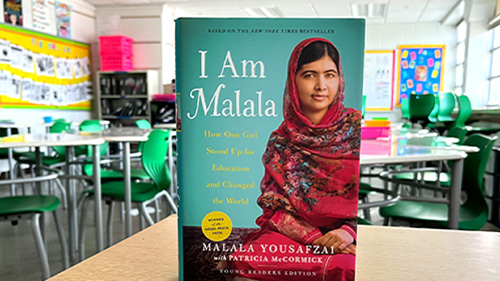
In recent months, the Taliban in the Middle East has taken over once again after American troops removed themselves. The first person I thought of...
1 min read
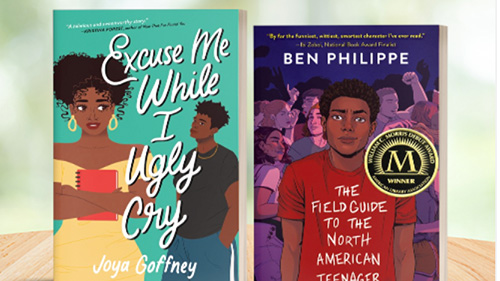
Okay—circle of trust here. After dropping my youngest child off at college all the way from San Antonio, Texas, to Lawrence, Kansas, at The...