


 View Cart
1 min read
Real to Reel: Dystopian Societies
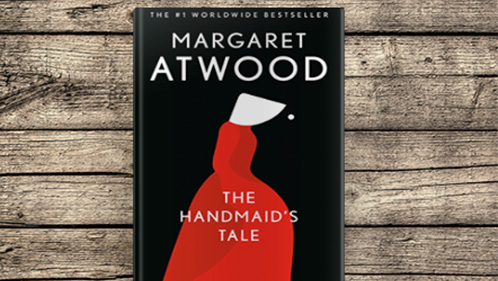
Netflix, Hulu, and Disney+ have taken over much of the television industry by taking popular and enticing books or comics and creating a TV series...

2 min read
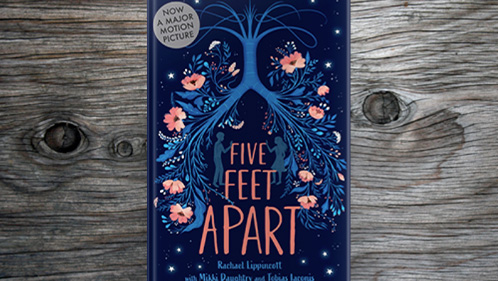
It’s not very often that TV shows or movies come before the book version, but it does happen sometimes! The art of writing is alive in visual media with scripts and screenplays, but turning those scenes, characters, and situations into chapters in a book sounds more difficult than turning a book into a movie, right?
The movie Five Feet Apart, directed by Justin Baldani, came out before the same-titled book by Mikki Daughtry, Rachael Lippincott, and Tobias Iaconis. The cast stars Haley Lu Richardson and Cole Sprouse who portray teenagers who both have cystic fibrosis, meet in the hospital, and fall in love. Because of their diagnoses, they must avoid close physical contact and stay five feet apart at all times.
Take any scene from the film and find it in the book. How similar is it? What are the main differences? Why would a writer make those revisions/additions when interpreting it in the book version?
For example, in the movie version at 0:58–1:09, the scene is about Will and Stella’s first hospital date. (The beginning of this scene can be seen via this YouTube link.) The same scene is written on pages 175–192 in the book version. What are some similarities and differences? Discuss as a class.
|
Order of Events |
Dialogue |
Sensory Details* |
Characters + Their Traits |
|
First,
Second,
Next,
Lastly, |
What is said throughout the scene?
Was there inner dialogue or narration? If so, what was it? |
See:
Hear:
Feel:
Smell:
Taste:
*Some might not apply. |
Name:
Name: |
Interested in buying any of the books mentioned in this post? Visit our classroom libraries page.
Download the lesson below in a convenient pdf to print or save!

Jennifer Epping is a high school English and journalism teacher in Des Moines, Iowa. She has a passion for reading, writing, and making lame jokes to her students just to see them laugh or roll their eyes. She just concluded her ninth year teaching. Epping graduated from Iowa State University with a BS in journalism and mass communication (2010) and BA in English Education (2013). She attended New York University’s Summer Publishing Institute (2010), and spent some time in children’s book publishing in New York.
1 min read
Netflix, Hulu, and Disney+ have taken over much of the television industry by taking popular and enticing books or comics and creating a TV series...
1 min read
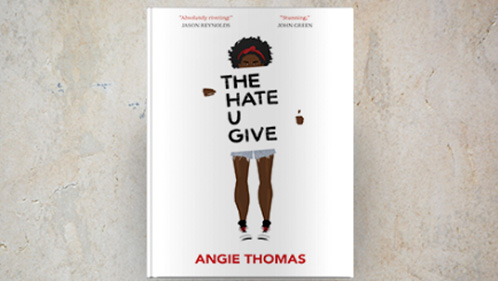
Code-switching is changing something about yourself to fit a certain situation or audience. The way you might talk to your friends versus talking to...

1 min read
For book lovers, it’s nothing new to read a good book and seek out the movie rendition, but for students, many seek out movies or TV shows and then...

1 min read
The way authors structure their books is sometimes jaw-dropping. So impressive that by the end you hug it tight, knowing it taught you something, or...

1 min read
The main character in The Girl with the Louding Voice by Abi Daré, Adunni, is on a personal journey to give herself the best life she can despite...
1 min read
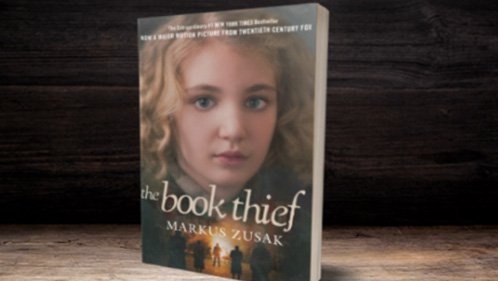
In the majority of books, the narrator is human and alive, but in The Book Thief by Markus Zusak, the narrator is Death. Yes, Death with a capital D....

1 min read
Whether teaching literature or rhetoric, close reading is an essential and often difficult skill to teach. This note-taking system, which is a...
1 min read
For most of the past year and half, I have spent most of my waking hours querying or obsessing over querying literary agents for my young adult novel

1 min read
On the day after state testing, one of my sophomores burst into the room and announced: “Mr. G, I used rule of three on my essay.” It was a proud...
1 min read
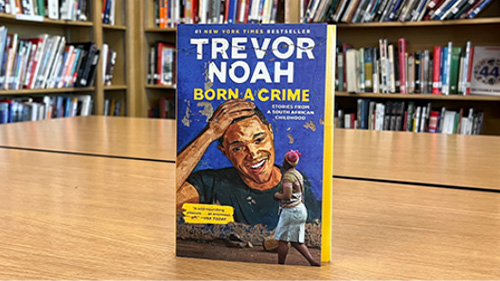
Born a Crime: Stories from a South African Childhood is a memoir by Trevor Noah about his upbringing in South Africa and how he became a popular...

1 min read
The most beautiful part of January isn’t the snow or the magical lighted displays around town, but instead it’s the chance for a new beginning....

1 min read
If we all trace our lineage back generation by generation, you will almost always find a fearless woman at the forefront of care, kindness, and the...