


 View Cart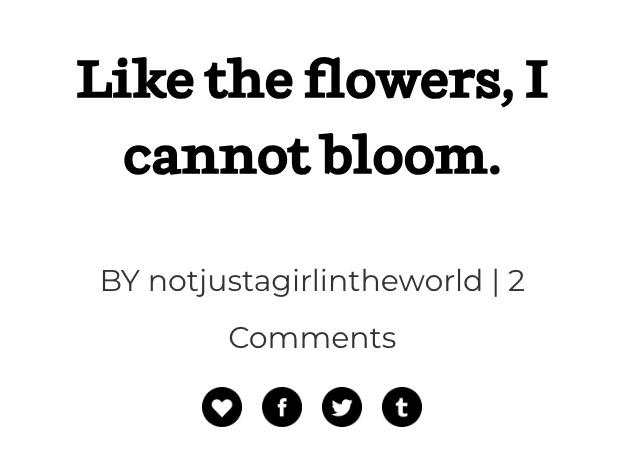
1 min read
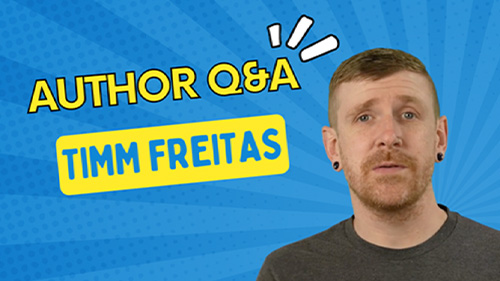
Author Q&A with Timm Freitas
Want to learn more about author and Garden of English creator Timm Freitas? Tune into our new Author Q&A series! Learn who inspired to become a...

4 min read

In this creative and reflective assignment, you’ll explore the art of powerful storytelling through just six words. You’ll examine examples of 6-word memoirs, analyze the emotions and meanings they convey, and reflect on how they connect to personal identity and universal human experiences such as love, loss, resilience, and hope.
Then, you’ll write your own set of 6-word memoirs that express something real about you—your memories, feelings, or worldview. This short form of writing challenges you to be thoughtful, intentional, and honest with your words.

By the end of the assignment, you’ll have:
This lesson aligns with Common Core Standards for Grades 11–12 in reading, writing, and speaking, and is designed to strengthen your ability to:
Step 1: Introduction (5-10 minutes)
Step 2: Part 1 – Analyze Provided Memoirs (15-20 minutes)
Step 3: Part 2 – Explore SixWordMemoirs.com (15-20 minutes)
Step 4: Part 3 – Write Their Own Memoirs (20-25 minutes)
Step 5: Part 4 – Reflect on the Process (10-15 minutes)
Step 6: Wrap-Up and Homework (5 minutes)
Downloadable Resource/Worksheet is included on the following page.
6-Word Memoir: Anticipatory Set
In this assignment, you will begin to explore the emotional and narrative power of six-word memoirs and reflect on their connection to personal identity and universal human experiences.
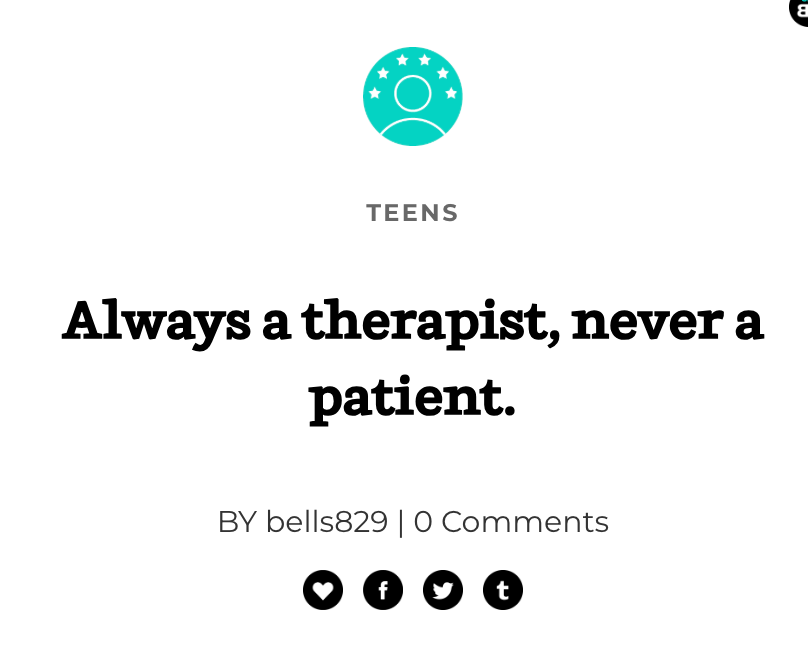
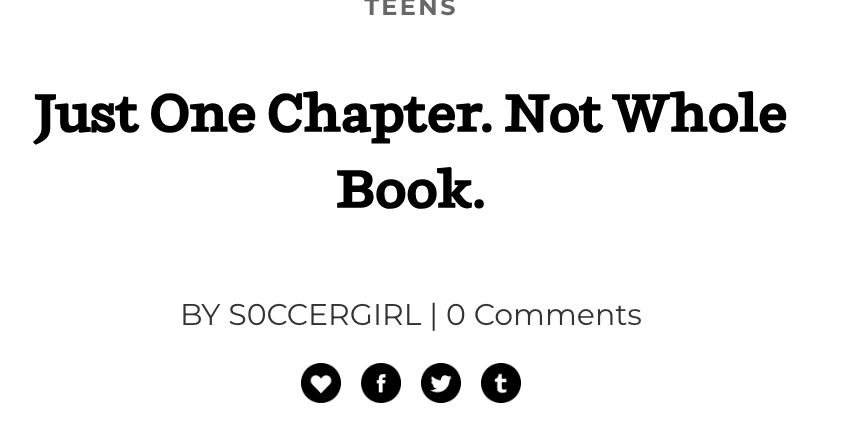
PART 1: Review the following 6-word memoirs copied in the left side of the below chart. Then, for each one, answer the questions in the right-hand column.
|
6-Word Memoir Examples |
Questions for Response |
|
|
|
|
|
|
|
|
|
PART 2: Look through the memoirs included on the website, sixwordmemoirs.com. Look for universal emotions such as joy, grief, love, loss, fear, resilience, or identity. Answer the following questions.
PART 3: Write at least three different six-word memoirs that reflect a part of your life or identity. Focus on truth, clarity, and emotion—not perfection.
|
6-Word Memoir Examples |
Explanation/Inspiration |
PART 4: Answer the following questions.
1 min read
Want to learn more about author and Garden of English creator Timm Freitas? Tune into our new Author Q&A series! Learn who inspired to become a...

1 min read
As artificial intelligence becomes increasingly accessible, many teachers are asking the same question: How do we teach students to think for...

1 min read
There is no shortage of professional development on teaching educators how to write questions. We add them to our lesson plans, we spin manual or...

1 min read
With an emphasis on close reading, analysis, and full-length essays, losing track of sentences is easy. Join Dr. Brandon Abdon, author of our AP®...

1 min read
Students often rely on summaries as a shortcut to understand literature. While summaries help review the plot, they flatten storytelling into a list...

1 min read
“The December spiral … prevents us from seeing the slow, meaningful gains our students are actually making.”

1 min read
The AP exams end, the proctors tell students to log out, and for a brief moment, the room exhales. That one day in May has really come and gone. Then...

1 min read
Every May, AP readers hear the same refrain: “The sophistication point is a unicorn.” But that’s not quite right. Unicorns don’t exist. The...

1 min read
The first days of any AP® English course are less about handing out a syllabus and more about laying a foundation: telling students what is expected...

1 min read
Most AP English teachers recognize that the multiple-choice questions assess skills and essential knowledge in composition and reading, but students...

1 min read
These two AP English webinars offer practical strategies to help both teachers and students make the most of the final month before exams, so...

1 min read
While arguments should follow a clear line of reasoning, what people see as logical often depends on their experiences and emotions. That’s why AP...