


 View Cart
1 min read
Using Cognitive Science to Facilitate Better Review for the AP Psych Exam
Review season is upon us. With preparations for upcoming AP exams, finals, and other year-end assessments principals in cognitive science can help...

3 min read

As the AP® exam draws near, students often become increasingly anxious. Review games and activities can target areas students need to review while also adding a bit of levity and fun to review days.
There are tons of ideas for gamifying review that you can find online, but here are some of my favorites!

Create the slide so that each level is revealed individually. Students will partner up and take turns facing the projector. One student will give clues while the other faces away from the projector and guesses the terms that are described. Give students about 30 to 45 seconds for each level. You can play one game in about four minutes to start class each day and it serves as a nice review. If you have a few extra minutes, you can walk through terms students struggled with describing or identifying.
This is just a small sample of some of the ways in which you can review with your students in preparation for the AP exam. Whatever method you choose, make it a goal to identify student strengths and where they need extra help. While we never seem to have enough time to review everything we want, taking the time to pinpoint where students need the most support can provide high-impact review in the days leading to the exam.
Best of luck to your students on May 3rd!
A tip for next year: We know that distributed practice is more effective than massed practice, but it is also a good idea to implement small review opportunities into your daily class routine or to interweave chapters from the first semester into the second semester exams.
An easy way to accomplish this is by taking ten questions from each chapter covered in the first semester and adding those to the end of each second semester exam. If only a single chapter is incorporated for review and students are provided notice that this will occur, they can review that chapter as well as the one you are currently studying. When all chapters from first semester are covered, students are less likely to go back and review all this material.
Laura Brandt currently teaches AP® Psychology at Libertyville High School in the Chicago suburbs and online at the Center for Talent Development through Northwestern University. She has taught AP Psychology since 1997 and has served as a reader, table leader, and question leader for the AP Psychology Exam. She also serves as an examiner for the IB Psychology. Laura was awarded the Excellence in Teaching award from the American Psychological Association and recognized with the Margaret Moffett Teaching Award from the Society for the Teaching of Psychology. She was also a finalist for the Illinois Teacher of the Year. Laura earned her master’s degree in U.S. History at Northern Illinois University, a master’s degree in Psychology from DePaul University in Chicago, and her administrative certificate form Concordia University. She is currently working on her Ed.D in Curriculum and Instruction.

1 min read
Review season is upon us. With preparations for upcoming AP exams, finals, and other year-end assessments principals in cognitive science can help...

1 min read
This year’s AP Psychology Exam will be the first exam with the new curriculum which focuses intensely on research. Some may wonder about this focus...

1 min read
Many teachers consider the Document Based Question (DBQ) of the AP® European History Exam to be one of the more challenging aspects of the course....

1 min read
Early in a school year it can be a real challenge to know how to begin teaching students critical skills they need to score on the AP® U.S. History...

1 min read
Each year after the AP® exam I ask students to evaluate my class. Last year, they overwhelmingly identified that they wanted to work on FRQs more...

1 min read
We are just weeks away from the AP® Human Geography Exam—wow! As teachers we are nervous, anxious, and hoping that we have done everything we can to...
1 min read
The start of a new year always a wonderful opportunity to introduce students to effective, research-backed methods for studying more effectively....
1 min read
Primary sources provide students with a personal window into the past, enabling them to view history as human stories rather than a list of facts....
1 min read
AP Psychology is entering its third year of the revised Course and Exam Description (CED). Here’s a breakdown of each part of the Evidence-Based...
1 min read
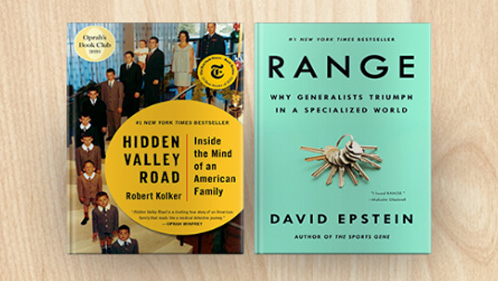
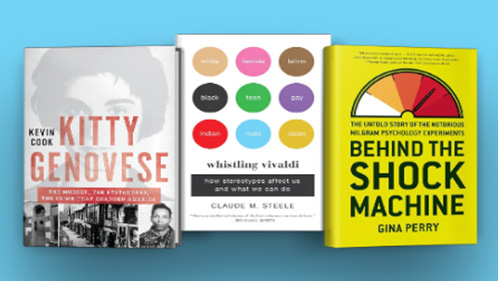
For part two of our AP® Psych summer book reviews, we check out two books that are great additions to any AP® Psychology classroom.
1 min read
The art of teaching can be enhanced by storytelling and great storytelling begins with great stories. Psychology has many of these as it is the study...

1 min read
AP Psychology is entering its third year of the revised Course and Exam Description (CED). Here’s a breakdown of each part of the Article Analysis...