


 View Cart
1 min read
Literature Circles with Multilingual Learners
Walk into a middle school classroom during a lively literature circle and you’ll hear questions, laughter, debate, and—most important—learners...

5 min read

I was always a book worm.
Growing up, my teachers didn’t need to assign summer reading for me. I figured out how to order from book clubs when I was five. I’d get a postcard out of the “Highlights” magazine at the doctor’s or dentist’s office, fill it out, and wait on the porch with a nickel, which the mail carrier gladly accepted to cover the postage.
Clearly, life was different then.
Both expectations and our communities have evolved. Assigning summer reading to prevent the slide is now requisite. But what works for a bookworm like me is not the norm in most classrooms. And we can’t assume that our learners—particularly those who are linguistically marginalized—have adequate resources to meet the demands of a reading list that does not account for their real lived experiences.
So, what’s an educator to do?

My starting point is always equity and psychological safety1. Ask yourself this: Does every learner see a path into the work, regardless of language, identity, or prior achievement? If the answer is “No” (or “I don’t know”), a beautifully curated list won’t make much difference.
Instead of leading with “What should they read?” I invite you to start with “What can they reasonably do, again and again, with whatever texts and resources they actually have at home?”
That shift—from titles to routines—matters for multilingual learners (MLLs) who are navigating new languages, new schools, and sometimes new countries. It moves us from access toward mastery:
“Here’s the list” —> “Here’s what you can reliably do with any text you encounter.”
One simple structure is a summer literacy “playlist”: a repeatable 20‑minute routine composed of three “tracks” learners and their families can adapt to their own languages, schedules, and resources. This works whether you’re using Connections: Literature, another core program, digital library tools, or photocopied short texts.
A best practice is to model the playlist with your learners two to three weeks before school ends:
Track 1: Text – Read in Any Language (10 minutes)
Learners choose a text they can reasonably access: a classroom anthology, a library book, a PDF on a phone, a web article, a graphic novel, or even a community newspaper. Encourage them to read, write, and think using their full linguistic repertoires: school English, home language, a sociocultural English (e.g., African American English, Chicano English), or translanguaging, blending their home language with school English – without apology.
Track 2: Talk – With Someone Else in Any Language (5 minutes)
In class, this might be a “turn-and-talk” at home they might talk with a family member, friend, caregiver—even a pet. Remember, this is about their lived experiences, and many learners may find themselves alone at home for extended periods of time, so we keep the talk flexible and low-pressure. Center this talk on one Essential Question or big idea, such as:
Use this as an opportunity to lean into contributor safety[1] by normalizing many ways of speaking and stressing that all contributions have value.
Track 3: Demo – Show What You Know in Any Format (5 minutes)
Prompt learners to create a list, a sketch with labels, a comic strip, or a short paragraph. Intentionally use scaffolds—such as sentence stems, word banks, and partially completed frames—to move learners toward written English while honoring the thinking they just did in their other languages. The text can change daily; the routine stays the same. That predictability lowers the affective filter for multilingual learners and supports learner safety1—the sense that it’s safe to try, make errors, and grow.
You can layer these moves onto whatever curriculum you use and the theme your current unit is focused on.
1. Build Three Short Playlists
Rather than a single, long list, design three thematic mini‑playlists, each anchored in an Essential Question (EQ) that matters to adolescents.
For example:
Each playlist includes guidance for the three tracks:
The goal is not coverage; it’s depth, connection, and routines.
2. Normalize Translanguaging and Multiple Modalities
Multilingual learners should not have to check their languages at the classroom door to participate. I encourage you to explicitly engage in these behaviors:
When we validate multilingual expression in front of the whole class, we strengthen inclusion safety1 and contributor safety1 for linguistically marginalized learners.
3. Run The Summer Literacy Playlist in Class
We can’t just announce norms; we must teach and rehearse them. Spend the last two weeks of school running the full playlist in class so learners experience success with it before they are on their own.
A sample 20‑minute mini‑lesson:
Before the last few days of school, learners should be able to describe the routine in their own words, teach it to a sibling or peer, and adapt it to different texts or environments.
From a culturally competent lens, we cannot assume that all families have shelves of books, quiet rooms, or adults available for support. At the same time, we shouldn’t assume deficits either. Many families bring rich storytelling traditions, songs, media, and multilingual practices that can fuel literacy if we frame them as assets.
I invite you to:
When families see that the goal is a repeatable routine, not compliance with a long list of specific titles, participation often increases.
I’ve always found joy in reading. And I hope that in designing routines that honor learners’ identities, leverage their full linguistic repertoires, and build toward year‑over‑year mastery—not just survival—will allow many multilingual learners an opportunity to find that same joy.
When we center psychologically safe, culturally connected literacy routines, we give every middle school learner a realistic path to keeping their reading lives alive all summer long.
[1] Berry, A. L. (2025). The culturally competent educator: Connecting equitable practices for instruction, assessment, and grading. Corwin.
Dr. Almitra L. Berry serves as the bilingual/multilingual consultant for Perfection Learning's Connections: Literature program for middle school. Her work focuses on supporting educators who serve learners speaking languages other than English, including ethnolects such as African American English and Chicano English.
1 min read
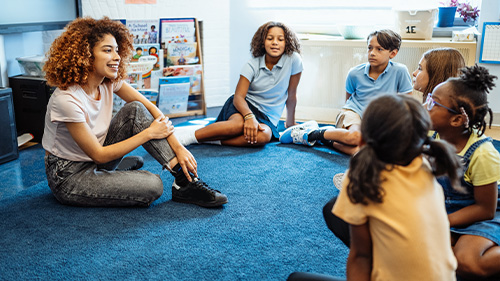
Walk into a middle school classroom during a lively literature circle and you’ll hear questions, laughter, debate, and—most important—learners...

1 min read
The summer break is winding down, and soon you'll be setting up your classroom for another year of learning adventures. Whether you're a first-year...

1 min read
December always asks a lot of us.
1 min read
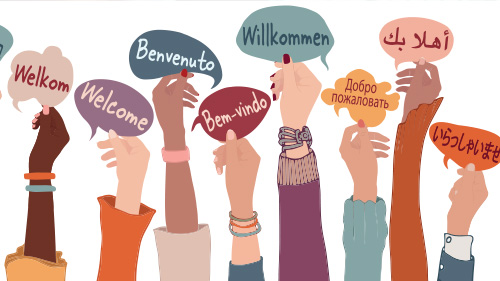
What happens when we stop seeing language diversity as a barrier and start embracing it as our greatest classroom asset?

1 min read
It’s that time! The school year is beginning and you’re ready to welcome up to 180 new learners into your classroom. Whether you’re in your first...

1 min read
As middle school educators, we know the moment when a learner comes alive in class. Maybe they're debating a character's motivation or crafting a...

1 min read
For some reason, students always struggle when teachers ask them to incorporate sources. It is a process that takes practice to do seamlessly, but...

1 min read
In my last post, I shared the success stories of two of my multilingual learners. I told you I used strategies, but I didn’t share which ones.
1 min read
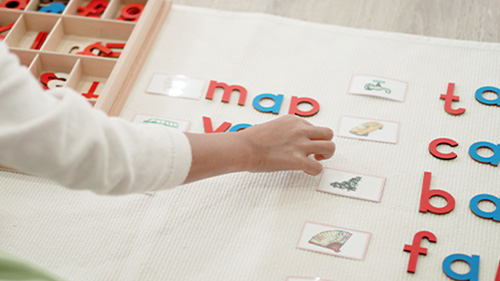
In American K-12 public schools, English language learners (ELLs) make up over 10% of students. 10% may not sound like much, but that’s over 5...

1 min read
When I think about the success stories of my middle school emergent bilingual learners, I can’t help but smile. What about you? Sure, there were...

1 min read
Do you ever have one of those days where you ponder, “What on Earth am I doing, and am I doing it right???” I did. Often. And they were often...
1 min read
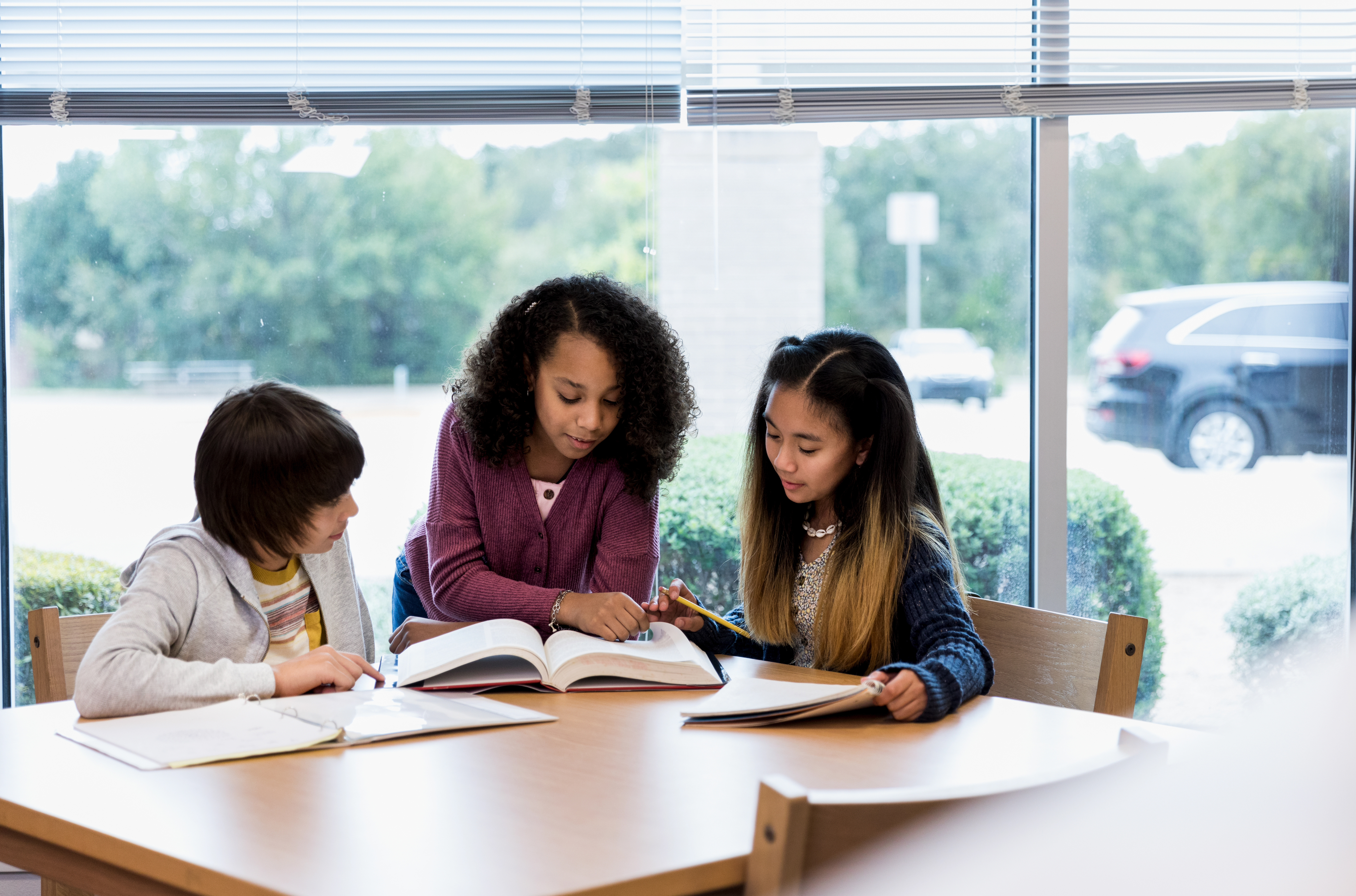
Transitional literacy focuses on bridging the gap between basic reading skills and more advanced literacy skills necessary for success during middle...