


 View Cart
1 min read
Teaching Students to Think Rhetorically About Statistics
In AP English Language and Composition, we ask students to enter an ongoing conversation, craft an argument, and make deliberate rhetorical choices....

3 min read

In this lesson, students analyze the rhetorical situation surrounding viral social media challenges. Students will explore how these digital trends serve as cultural texts that communicate collective values, beliefs, and identities. By investigating speaker, audience, context, and purpose, students practice essential rhetorical analysis skills required for AP Language & Composition. This lesson bridges modern social media discourse with formal academic skills like crafting engaging introductions and conclusions.

|
Viral Challenges & Formats |
Hashtag Movements & Commentary |
Meme Trends & Pop Culture Moments |
|
"How It Started / How It’s Going" (2020): A meme format showing personal or collective growth over time, used for humor, nostalgia, and storytelling. "Don’t Rush Challenge" (2020): Originating on TikTok, this challenge involved people transitioning from casual to glam looks, highlighting transformation and community, especially during COVID lockdowns. "TikTok Dance Trends": E.g., Renegade, Savage Love, Say so, Cuff It - These dances often went viral alongside popular songs, shaping music charts and youth culture. "Little Miss" Memes (2022): Users captioned "Little Miss" characters with personal quirks or mental health traits, making humorous and self-deprecating identity statements. "NPC Livestreams" (2023–2024): TikTok users acted like non-playable video game characters while receiving virtual gifts—commentary on internet performance, capitalism, and absurdity. |
#BlackoutTuesday (2020): Part of the Black Lives Matter protests, users posted black squares on Instagram to show solidarity, sparking debates about performative activism. #GirlDinner (2023): A TikTok trend showing minimalist or mismatched meals (e.g., cheese, crackers, pickles), often poking fun at feminine habits or romanticizing everyday life.
#BookTok (Ongoing): A powerful TikTok subculture influencing book sales. Viral books exploded in popularity through this trend.
#NoMakeupSelfie & #MakeupTransition Trends: Before/after or glow-up challenges focusing on beauty standards, personal care, and vulnerability.
#Deinfluencing (2023): A backlash against consumerism and over-hyped products, where creators warned followers about what not to buy. |
“This You?” Callout Tweets: Users use a past post to highlight hypocrisy or irony in a person’s current statements. Barbenheimer (2023): A dual-release meme phenomenon combining Barbie and Oppenheimer, creating fan art, memes, and ironic mashups of two vastly different films.
“No One:” / Absolute Silence Format: A meme where a person or character does or says something unprompted, highlighting absurdity or awkwardness.
“Corecore” Aesthetic Videos: TikTok trend using emotional audio and clips from media to critique or reflect modern emotional detachment, capitalism, or youth disillusionment.
Roman Empire Meme (2023): Women asking men how often they think about the Roman Empire, revealing unexpected gender/cultural gaps and inspiring funny, reflective responses. |

1. Anticipatory Set / Warm-Up (5–7 minutes)
2. Guided Rhetorical Analysis: General Trends (15–20 minutes)
Tip: Allow students to discuss findings in pairs or small groups before sharing key takeaways.
3. Focused Analysis of a Single Example (20 minutes)
Tip: Encourage students to make connections to their own experiences and contemporary cultural values.
4. Class Discussion or Gallery Walk (10 minutes)
5. Entering the Conversation: Evidence Practice (10 minutes)
6. Wrap-Up / Exit Ticket (5 minutes)
Students respond to one or more of the following prompts:
Lauren Peterson , M.A. Ed. - Highlands High School Schoolwide Literacy Leader; Curriculum and Instructional Coach; creator of College
Board pilot curriculum designed to remediate common AP English Language challenges; AP English Language Reader and Trainer.

1 min read
In AP English Language and Composition, we ask students to enter an ongoing conversation, craft an argument, and make deliberate rhetorical choices....

1 min read
Rhetoric really is everything, everywhere, and all at once since every act of communication is spinning in a multiverse of contexts that all shape...

1 min read
Congratulations—or maybe condolences? You just found out you are teaching an Advanced Placement® (AP) English class next year. Whether it’s AP...

1 min read
In this lesson, students will learn how to break down AP exam questions for Language (rhetorical analysis). Through guided analysis, collaborative...

1 min read
Every May, AP readers hear the same refrain: “The sophistication point is a unicorn.” But that’s not quite right. Unicorns don’t exist. The...
1 min read
I’ve chosen a tired metaphor for this, but it really does work (and is less ominous than the first one that came to mind: icebergs). Picture a duck...

1 min read
Most AP English teachers now find themselves well into this critical second half of the school year. With the AP exam quickly approaching in May (I...
1 min read
Many years ago, I remember standing outside my classroom door, greeting students as they arrived for the day. My classroom was next to one of the AP...

1 min read
In this creative and analytical lesson, students will explore character development, relationships, and key events in a literary text by crafting a...
1 min read
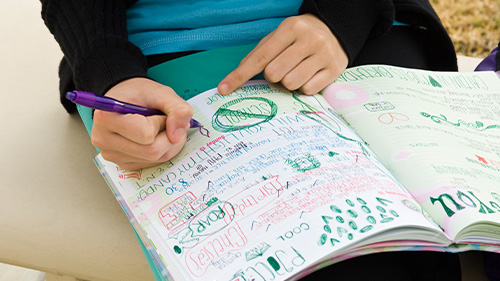
In this lesson(s), students will create “Doodle Notes” to showcase their understanding of one of the free response questions on the AP Language exam ...

1 min read
“The December spiral … prevents us from seeing the slow, meaningful gains our students are actually making.”

1 min read
Join Dr. Brandon Abdon and partners in AP Lang Timm Freitas (Garden Of English) and Beth Hall (Coach Hall Writes) to discuss their top tips for...