


 View Cart
1 min read
Analyzing Rhetorical Analysis FRQs by Medium & Genre
Before students begin writing full rhetorical analysis essays, they need to understand the kinds of texts they will encounter on the AP Language and...

2 min read
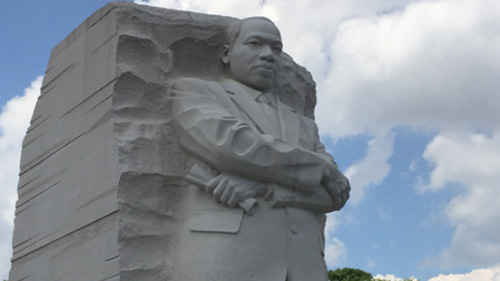
This resource will introduce students to each element of the rhetorical situation as it relates to a complex text, “Letter from a Birmingham Jail” by Martin Luther King, Jr. While students will not have a multitude of supplemental links to help them navigate the rhetorical situation for every text (and definitely not on the exam), having additional information early in their study of this skill can help them find additional connections within the text to the rhetorical situation which can deepen and authenticate their understanding of the influence a given situation has on the delivery and receipt of a text.
In this lesson, students will deconstruct the rhetorical analysis prompt with minimal background of the text, highlighting/labeling the elements of the rhetorical situation that is presented and noting inferences about how this element might influence the creation of the work, delivery of the work, or the way the message was received.
After students spend time deconstructing the prompt provided, they will navigate the links given that reflect each element of the rhetorical situation, making notes about the concrete/literal details for each element as well as making inferences and drawing their own conclusions to infer the abstract understanding of each element’s influence on the work. You may choose to jigsaw this assignment and have students informally present, culminating in a rhetorical precis that each student will complete independently to ensure their understanding of how each element works in concert with one another to situate MLK’s letter.
Students will complete the far right-hand column after reading MLK’s letter. In this column, students should find references to the information and inferences they have included in their chart. For example, King assumes that his audience are religious leaders. As such, students can reference his allusion to the Biblical figure Paul. When students begin to write their analysis, they should use this example as evidence, and use the information they noted when analyzing just the rhetorical situation to draft commentary.

Lauren Peterson (Master of Arts, Education) has been teaching AP® English Language and Composition in a number of states for more than ten years, most recently at Highlands High School in Fort Thomas, Kentucky, where she is also the schoolwide literacy leader. Before this position, Lauren served as a curriculum and instructional coach in Duval County, Florida. Lauren worked for College Board on a pilot curriculum designed to both remediate common AP® English Language challenges and also prepare students for Microsoft Office Specialist Certification. As an independent consultant for the National Math and Science Initiative, Lauren has written diverse curricula used by students across the country as well as training materials for beginning and experienced AP® English Language teachers. Lauren served as an AP® English Language Reader and continues to work as an AP® English Language trainer for new and experienced teachers.

1 min read
Before students begin writing full rhetorical analysis essays, they need to understand the kinds of texts they will encounter on the AP Language and...

1 min read
Rhetoric really is everything, everywhere, and all at once since every act of communication is spinning in a multiverse of contexts that all shape...

1 min read
When scoring AP Lang rhetorical analysis essays, I typically see one common problem: students select good evidence, but they struggle to develop...

1 min read
You’ve taught rhetorical devices. You’ve practiced essays. But somehow, when it matters the most, students still struggle to connect the two. At this...

1 min read
Lesson Overview This assignment is designed to help students think critically about how we use rhetoric in everyday communication—specifically...

1 min read
The Rhetorical Analysis Essay or FRQ 2 on the AP Language Exam is historically one of the most challenging parts of the exam. One reason is that the...

1 min read
In AP English Language and Composition, we ask students to enter an ongoing conversation, craft an argument, and make deliberate rhetorical choices....

1 min read
In this lesson, students analyze the rhetorical situation surrounding viral social media challenges. Students will explore how these digital trends...

1 min read
It's almost the end of the school year! With the exam behind you and your students, take a moment in class to reflect on this past year (while giving...

1 min read
Guide students through an engaging activity that stresses the importance of the thesis & topic sentences to structure the line of reasoning. Students...

1 min read
While we want argument and rhetoric to develop logically and follow a line of reasoning, we also must recognize that sometimes what others see as...

1 min read
In the previous blog posts of this series, I shared how I’ve transformed my English classroom into a collaborative space where students aren’t just...